Discover Giza pyramids and sphinx wonders of ancient Egypt
Few places on Earth evoke as much awe and curiosity as the legendary Giza plateau. The Giza pyramids and sphinx wonders stand as timeless guardians of Egypt's ancient legacy. They are nestled on the edge of Cairo. These colossal structures have fascinated travelers, historians, and adventurers for centuries-and for good reason. From their monumental scale to the secrets they hold, the wonders of Giza are more than just ancient architecture. Above all, they are a doorway into one of the world's most captivating civilizations.
The Timeless Appeal of Ancient Egypt
Ancient Egypt, stands out further with its pharaohs, hieroglyphs, and golden treasures. That meanwhile remains one of the most intriguing cultures in human history. The civilization thrived along the fertile banks of the Nile for thousands of years. That had developed complex beliefs, innovative engineering, and artistic mastery. The Giza plateau is arguably the crown jewel of Egypt's ancient achievements, and its monuments. If you are a nature lover, famous national parks of Nairobi are a must explore. That are for example the Great Pyramid of Khufu, the Pyramid of Khafre, the Pyramid of Menkaure, and the Great Sphinx. They are remain unmatched in scale and historical impact.
The Great Pyramid of Khufu: Monument to Majesty
The Great Pyramid is also known as the Pyramid of Khufu or Cheops. It is the only remaining wonder of the original Seven Wonders of the Ancient World. Built around 2560 BCE, it once stood at 146 meters (now 138 meters). Above all, it was the tallest man-made structure for nearly 4000 years. That makes it one of the best among Giza pyramids and sphinx wonders to explore. It has precise alignment with the cardinal points and mathematical accuracy. This had been constructed using over 2 million limestone blocks boggle the minds of modern engineers. Take a walk through its narrow internal corridors. That further offers a rare glimpse into the ingenuity and ambition of ancient Egyptian society.
Pyramid of Khafre: Illusion of Height and Power
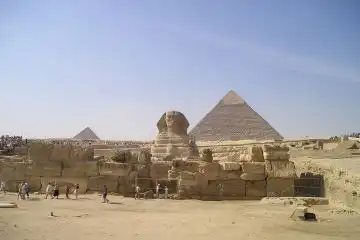
After that, in line is the Pyramid of Khafre. It is slightly smaller than Khufu's but perched on a higher elevation, cleverly designed to appear taller. Khafre was Khufu's son, and his pyramid still retains some of the original casing stones at its summit. At its base lies the Valley Temple and the causeway that connects it to the Great Sphinx. It solidifies Khafre's complex as both a funerary monument and a sacred site for rituals. The symmetry and alignment of this pyramid speak volumes about the Egyptians' understanding of both architecture and celestial movements.
The Small but Mighty Pyramid of Menkaure
Often overshadowed by its larger neighbors, the Pyramid of Menkaure is no less impressive. Built for Khafre's successor, this pyramid is smaller in scale but intricately constructed. What further sets it apart is the detailed mortuary temple. That had once housed stunning statues and reliefs. Archaeological discoveries around this one of the great pyramids and sphinx of Giza offer insights into the transition. That had happened from Old Kingdom opulence to more modest royal burials. It meanwhile reflects the changes in Egyptian society and resources over time.
The Great Sphinx: Guardian of Secrets
The iconic Sphinx, is carved from a single limestone ridge. It firstly combines the body of a lion with the head of a pharaoh-believed to represent Khafre. Measuring 73 meters in length, it's one of the largest and oldest statues in the world. What further makes the Sphinx truly captivating is the air of mystery that surrounds it. The Giza pyramids and sphinx wonders continue to stir imaginations around the world. That goes from theories about hidden chambers beneath it to debates over its true age and purpose.
Mystical Alignments and Celestial Significance
Many researchers believe that the Giza pyramids align with celestial bodies, particularly the Orion's Belt constellation. This theory, rooted in the Orion Correlation Theory, suggests that the pyramids were more than just tombs. Above all, they were part of a grand cosmic plan to mirror the heavens on Earth. Such alignment would reflect the ancient Egyptians' belief in the afterlife and their deep connection to the stars. That further reinforces the sacred purpose of these monumental structures.
Construction Mysteries and Engineering Genius
One of the biggest mysteries surrounding the Giza pyramids and sphinx wonders is how they were built. Without the use of modern machinery, the ancient Egyptians quarried, transported, and assembled multi-ton stones with remarkable precision. Theories range further from elaborate ramp systems to advanced knowledge of levers and pulleys. No matter that what was the exact method to build them. But, the precision of construction and the endurance of these monuments over millennia continue to astonish scientists and engineers alike.
Exploring the Giza Plateau Today
Modern-day visitors can walk among these massive structures. They can even enter some of the pyramids for a truly immersive experience. The Giza Plateau is a UNESCO World Heritage site. It is protected and carefully maintained to allow tourists to step back into history. The newly opened Grand Egyptian Museum nearby promises to house thousands of artifacts from ancient Egypt. That further include many treasures unearthed around the pyramids. Whether you are an archaeology buff or a casual traveler, a trip to Giza delivers a soul-stirring encounter with the past.
Cultural Significance and Global Impact
The Giza pyramids and sphinx wonders are more than archaeological marvels-they are cultural icons. Featured in countless films, books, and documentaries, they symbolize humanity's quest for knowledge and immortality. Their enduring presence has influenced everything from architecture to art. That inspired modern innovations while reminding us of our ancient roots. They represent a timeless connection between the human spirit and desire to reach for something greater than oneself.
Tips for Visiting Giza: Make the Most of Trip
To truly enjoy your visit to explore Giza pyramids and sphinx wonders, consider hiring a certified local guide. He can meanwhile offer historical context and help navigate the site. Early mornings or late afternoons are best for avoiding the desert heat and catching perfect photo lighting. Bring water, wear comfortable walking shoes, and don't forget sun protection. Most importantly, take your time. Let the grandeur of the pyramids and the silent majesty of the Sphinx sink in. This is not only a sightseeing stop; but it's also an experience you'll carry for life.
The Enduring Mystique of Giza
Even in our age of satellites and digital mapping, the Giza plateau holds many secrets. Each excavation, each discovery, seems to open new doors. That allow to understand the spiritual and practical lives of the ancient Egyptians. As you stand before these grand edifices, you can't help but feel a connection to something eternal. The Giza pyramids and sphinx wonders serve not only as monuments of stone. They further acts as beacons of human curiosity, ambition, and reverence for the mysteries of life and death.
Final Thoughts
Discovering the Giza pyramids and sphinx wonders of ancient Egypt takes you to a different realm. That firstly allows you to walk in the footsteps of kings and dreamers, architects and priests. These monuments are more than stone; they are stories frozen in time. No matter that you are visiting in person or exploring from afar. The legacy of Giza invites you to reflect, imagine, and connect with one of humanity's most extraordinary chapters.