Feel the blend of modernity and tradition in Seoul South Korea
Seoul, the vibrant capital of South Korea, is a city where the old meets the new in the most captivating way. The tradition in Seoul South Korea is visible in all, from historic palaces and temples to futuristic skylines. Seoul offers visitors a unique opportunity to experience the perfect blend of modernity and tradition in South Korea. You may stroll through bustling streets filled with neon lights or enjoy the serene beauty of ancient sites. The city seamlessly integrates its rich cultural heritage with cutting-edge advancements. This combination makes Seoul a destination like no other, where history and innovation coexist harmoniously.
Let's explore the tradition in Seoul South Korea. That intertwines with its contemporary side through the city's most fascinating features.
1. The Architectural Harmony: Palaces and Skyscrapers
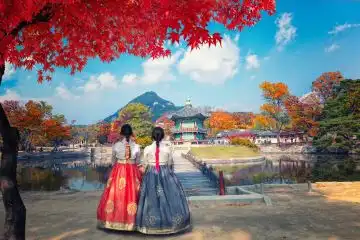
Seoul's cityscape is a striking reflection of its dual identity. The grand palaces built centuries ago still stand majestically amid the urban hustle. These historical structures meanwhile showcase the legacy of royal Korea. Exploring the natural attractions of Kyoto is also a captivating experience. That further gets complete with intricate woodwork, vibrant paintwork, and expansive courtyards.
Just a short distance away, soaring skyscrapers dominate the skyline. They firstly symbolizing Seoul's status as a modern powerhouse. These contemporary buildings reflect the city's economic strength and progressive spirit. Witness the contrast between traditional architecture and modern design. That illustrates the seamless coexistence of old and new in Seoul's evolving identity.
Even residential and business districts show signs of this blend. There, preserved traditional houses stand beside sleek office towers. However, this unique combination is part of what makes Seoul's landscape so captivating.
2. Traditional Markets vs. Modern Shopping Experiences
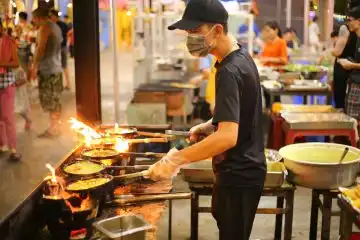
Seoul's shopping culture vividly firstly reflects its blend of eras. Traditional markets are filled with textiles, ceramics, local produce, and street food stalls. They further offer a sensory journey into the tradition in Seoul South Korea and its culture. Here, the atmosphere is lively, with vendors shouting out daily deals and aromas wafting through narrow alleys.
Meanwhile, modern shopping zones present polished interiors, luxury boutiques, and technology hubs. These spaces further cater to contemporary tastes with stylish fashion, beauty products, and digital gadgets. Both realms of commerce thrive side-by-side, each offering its own charm. The one is rooted in cultural history, the other in global trends.
This duality meanwhile allows visitors to experience everything from handcrafted goods to high-tech electronics. That lies sometimes within walking distance of each other.
3. Temples and Technology: A Unique Balance
Among the high-rises and neon lights, ancient temples still serve as peaceful sanctuaries. These spiritual spaces, adorned with traditional roofs and lanterns, offer moments of quiet reflection. Visitors can meanwhile engage in meditation, observe rituals, or simply enjoy the calm ambiance.
A short walk away, digital screens, smart infrastructure, and tech shops line the streets. They firstly highlights Seoul's commitment to innovation. The city's tech-driven lifestyle exists in harmony with the spiritual roots. That illustrates how deeply embedded tradition in Seoul South Korea is. It is visible even in this fast-paced environment.
This cultural balance shows in everyday life-from locals consulting traditional wisdom to solve modern issues. It further shows the fusion of ancient philosophies with digital wellness apps and platforms.
4. Cuisine: Preserving Heritage While Innovating
The food scene is another brilliant showcase of tradition in Seoul South Korea and transformation. Timeless recipes for example kimchi, tteokbokki, and grilled meats are staples across the city. They are enjoyed by locals and travelers alike. Above all, these flavors carry the legacy of generations and regional pride.
Yet, contemporary interpretations abound, where chefs blend traditional ingredients with modern culinary styles. Korean fusion dishes now include global influences and creative presentations. However, you can have the dining experience in a rustic eatery or a stylish setting. It meanwhile brings together the comfort of heritage and the excitement of new trends.
Even the presentation of meals often honors traditional aesthetics, using ceramics and wooden trays. That meanwhile reflect cultural values, regardless of the recipe's origins.
5. Cultural Festivals and Annual Celebrations
Cultural festivals provide an immersive look into Seoul's vibrant heritage. Lantern festivals, harvest celebrations, and seasonal ceremonies showcase the country's age-old customs through music, dance, food, and storytelling. These events are rooted in history and connect communities through shared traditions.
In contrast, Seoul also hosts fashion showcases, pop music events, and digital art exhibitions. That firstly highlight its contemporary culture. These large-scale gatherings attract global audiences and demonstrate the city's creative energy. Together, these traditional and modern events further make Seoul a cultural capital of Asia.
This dynamic festival calendar ensures that no matter when you visit, there's always something happening. That meanwhile blends the tradition in Seoul South Korea with the present innovations.
6. Cultural Corners in the Subway
Seoul's subway system is not only a model of efficiency-but it's also a mobile museum. While the trains and stations are clean and technologically advanced, many stops feature traditional artwork, murals, and exhibits. That meanwhile showcases local history. Travelers get a dose of culture simply by riding the metro.
This integration of heritage into modern infrastructure reflects Seoul's approach to public life. It is the one that respects tradition without hindering progress. These artistic installations meanwhile provide daily commuters and visitors with reminders of the city's storied past.
Even underground shopping corridors often incorporate traditional motifs. That further blend aesthetics and convenience in unexpected places.
7. Preserved Villages Amid Modern Blocks
Certain neighborhoods in Seoul are firstly known for preserving traditional Korean architecture. That features homes with wooden beams, tiled roofs, and paper-covered doors. Walking through these areas feels like stepping back in time. There cobblestone paths and peaceful courtyards meanwhile offer a glimpse into past lifestyles.
Surrounding these enclaves, contemporary apartment buildings and shopping streets rise up. It firstly shows the city's urban growth. There is an intentional preservation of these traditional homes amidst the expansion of modern infrastructure. However, it is a testament to the city's respect for its cultural legacy.
Local communities often host cultural programs, tea ceremonies, and calligraphy workshops. That meanwhile allow the residents and tourists to engage with Korean heritage firsthand.
8. Artistic Expressions Across Time
Above all, Seoul's art scene spans centuries. It goes from traditional ink paintings and pottery to modern installations and street murals. Museums and galleries often curate exhibitions that juxtapose ancient craftsmanship with contemporary techniques. This artistic dialogue across eras further enriches the city's creative landscape.
Visitors can meanwhile explore artisan workshops. There, age-old techniques are practiced alongside experimental art studios pushing boundaries. These spaces encourage both preservation and evolution. That reflects how deeply the tradition in Seoul South Korea continues to inspire new generations.
Public art further plays a role in merging aesthetics with urban design. That often incorporating nature, mythology, or historical references into modern forms.
9. From Traditional Teahouses to Trendy Nightlife
Seoul's nightlife is as diverse as its history. Traditional teahouses further offer a quiet refuge. There, guests can enjoy herbal infusions and local snacks in serene settings often adorned with antique decor.
Elsewhere in the city, music venues, performance halls, and entertainment districts light up with modern energy. The transition from calm teahouse to vibrant nightlife venue is seamless in Seoul. It meanwhile illustrates the multifaceted character of its evening culture.
Even in high-energy areas, you can find elements of tradition in Seoul South Korea. That is woven into design, menus, and performances further emphasizing this balance between eras.
10. Nature and Innovation in Urban Parks
Despite its metropolitan nature, Seoul is famous for its green spaces. Public parks, riverside paths, and mountain trails further offer residents a close connection to nature. These areas often include traditional gardens, pavilions, and sculptures that highlight Korea's deep appreciation for natural beauty.
Modern landscaping and eco-friendly design are now common in these spaces. They firstly show the city's commitment to sustainability. Seoul's green areas provide both a retreat from city life and a cultural experience. That meanwhile reflect how traditional reverence for nature informs its modern planning.
Seasonal festivals in these parks often celebrate flora and fauna with cultural activities. That meanwhile blend outdoor recreation with heritage learning.
11. A City Moving Forward with Its Past
As Seoul continues to modernize, it also intensifies efforts to preserve its cultural identity. Restoration projects, educational programs, and national pride initiatives ensure that historical elements are never forgotten. Urban planning now includes space for heritage preservation. It ensures that tradition in Seoul South Korea remains a vibrant part of its future.
The city's ability to adapt without losing its roots is perhaps its most admirable quality. Visitors leave not only impressed by its technological achievements but also deeply moved by its cultural soul.
Conclusion: A Timeless Experience in a Modern World
Seoul is not only a capital city-but also a living museum and a futuristic metropolis rolled into one. There is a seamless integration of tradition in Seoul South Korea with innovation. That further makes it one of the most compelling destinations in Asia. You can meditate in a quiet temple, explore an art-filled subway station, or enjoy a locally inspired meal. In short, every moment in Seoul brings you closer to the heart of South Korea's unique cultural fusion.