Explore historic temples and beautiful gardens in Kyoto Japan
Kyoto, Japan, is a city that beautifully blends history, culture, and nature. The beautiful gardens in Kyoto Japan presents a perfect harmony of history and nature. It stands out further with its ancient temples, tranquil gardens, and serene atmosphere. That further make it a top destination for travelers seeking a glimpse into Japan's rich heritage. From iconic Shinto shrines to Zen Buddhist temples, Kyoto offers a perfect blend of beauty and history.
This guide will take you on a journey through the historic temples and beautiful gardens in Kyoto Japan. That will meanwhile help you to discover some of the city's most remarkable attractions. Explore natural beauty of Singapore with our travel tips. You may be a nature enthusiast, a history lover, or simply looking for peace and reflection. Kyoto's historic temples and gardens further offer something for everyone.
Kyoto's allure goes beyond its picturesque scenery. There are over 1600 temples and shrines spread throughout the city. With them, it firstly holds a significant place in Japan's cultural and spiritual heritage. In fact, many of beautiful gardens in Kyoto Japan are designed as extensions of the temples themselves. That further enriches the spiritual experience with their visual beauty. Visitors can explore a variety of architectural and natural styles, from minimalist Zen gardens to lush, vibrant landscapes.
You can enjoy an escape into nature, admire meticulously curated landscapes, or immerse yourself in centuries of history. The historic temples and beautiful gardens in Kyoto Japan further offer an unforgettable experience.
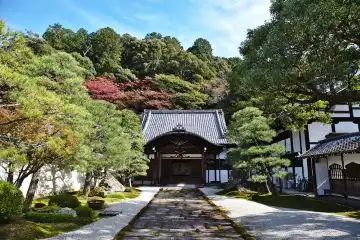
1. Kinkaku-ji: The Golden Pavilion and Its Tranquil Gardens
One of Kyoto's most famous landmarks, Kinkaku-ji, also known as the Golden Pavilion. It is a stunning Zen Buddhist temple covered in gold leaf. The temple's striking golden exterior reflects beautifully in the surrounding pond. That meanwhile provides a serene and mesmerizing view that draws visitors from around the world. However, it's not just the temple itself that captivates. The beautifully designed gardens in Kinkaku-ji play an equally important role in the site's allure.
The temple grounds feature a sprawling pond known as the Kyoko-chi (Mirror Pond). That firstly creates a perfect mirror image of the pavilion, emphasizing the harmony between nature and architecture. The garden surrounding the pond is an ideal example of a classic Japanese landscape garden. They feature carefully placed rocks, walking paths, lush greenery, and trees. In short, Kinkaku-ji's garden offers tranquility and beauty in equal measure. Whether you are strolling the grounds or sitting by the pond, this site offers a perfect place for reflection and appreciation of Japan's horticultural artistry.
2. Ryoan-ji: The Zen Garden of Simplicity
Another gem in Kyoto is Ryoan-ji, known for its famous Zen rock garden. This temple is a UNESCO World Heritage site. However, it is one of the best places to experience the minimalist beauty of Japanese Zen gardens. The garden consists of 15 carefully arranged rocks surrounded by white gravel, with no plants or flowers. Above all, the simplicity of the design invites visitors to contemplate the nature of impermanence and the fleeting beauty of life.
The beauty of the Ryoan-ji Zen garden lies in its stark simplicity. Visitors often find themselves lost in thought as they view the garden from the temple's veranda. Its minimalist design forces the mind to focus on each rock and their relationship to one another. This one of the beautiful gardens in Kyoto Japan further offers an experience that is both meditative and humbling. The nearby traditional temple grounds, stands out with their surrounding trees and koi-filled pond. That further enhance the Zen experience, providing both spiritual and natural beauty.
3. Nanzen-ji: A Historic Temple with Picturesque Gardens
Nanzen-ji is a significant Zen temple in Kyoto that features impressive gardens and a beautiful aqueduct. The temple complex includes both traditional Japanese garden elements and natural landscapes. That firstly make it a must-see for visitors interested in Japanese garden design. As you approach the temple, you'll first notice the striking stone aqueduct that cuts through the grounds. That meanwhile add a unique architectural element to the space.
The gardens of Nanzen-ji are designed with a mix of moss, stone paths, and seasonal flowers. They firstly offer a peaceful environment perfect for walking and reflection. Unlike some of Kyoto's more formal gardens, the Nanzen-ji gardens feel open and natural. It meanwhile encourages visitors to connect with the natural surroundings. The temple itself, is an important site in the history of Zen Buddhism. That further provides a glimpse into the spiritual roots of Kyoto's rich cultural heritage.
4. Kiyomizu-dera: Overlooking Kyoto's Scenic Beauty
Located on a hillside, Kiyomizu-dera is a famous Buddhist temple. That firstly offers spectacular panoramic views of Kyoto. The temple is surrounded by lush gardens that showcase Japan's seasonal beauty. That stands out further with cherry blossoms in spring and vibrant autumn leaves. The temple's name, which translates to “Pure Water Temple”, is derived from the Otawa Waterfall flowing through the temple grounds.
While the gardens at Kiyomizu-dera are not as ornate as those at some other beautiful gardens in Kyoto Japan. But, the stunning views and serene environment create a perfect blend of nature and architecture. The iconic wooden stage of Kiyomizu-dera is supported by hundreds of wooden pillars. That further offers an unbeatable vantage point to see the beautiful gardens below. During the spring and autumn seasons, the gardens are especially picturesque. That comes with the surrounding trees offering vibrant colors that transform the temple grounds into a painter's palette.
5. Tofuku-ji: A Temple with Stunning Autumn Gardens
Tofuku-ji is one of Kyoto's most impressive Zen temples, known for its autumn gardens. The temple's gardens are designed with beautiful landscaping techniques that highlight the changing colors of the fall season. Vibrant reds, oranges, and yellows create a breathtaking display that attracts visitors every year.
The gardens at Tofuku-ji are also known for their large scale and architectural grandeur. This temple's famed Tsutenkyo Bridge, spans a deep valley. It firstly offers a fantastic vantage point for viewing the beautiful gardens in Kyoto Japan below. The beauty of the foliage is complemented by the unique stone paths and moss-covered rocks. That make it one of the most breathtaking natural landscapes in Kyoto, especially during the autumn months.
The combination of tranquil Zen gardens and striking natural beauty further creates a sense of calm and wonder. That is unmatched in Kyoto's many temple gardens.
6. Ginkaku-ji: The Silver Pavilion and Its Serene Landscape
Ginkaku-ji, or the Silver Pavilion, is a Zen temple that features beautifully landscaped gardens. While the pavilion itself is not covered in silver, the temple's surrounding beautiful gardens create a peaceful environment. That further complements its understated elegance. The gardens at Ginkaku-ji are renowned for their peaceful simplicity. That stands out further with well-maintained gravel paths, koi ponds, and lush greenery.
The sand garden at Ginkaku-ji, is also called the “sea of silver sand”. It is one of the most iconic features of the temple's gardens. This carefully crafted design is meant to represent the calm of the sea. That comes with swirling patterns in the sand symbolizing waves. The formal garden areas and tranquil moss gardens provide a balanced atmosphere. That meanwhile encourages introspection and contemplation.
7. Shosei-en Garden: A Hidden Gem of Tranquility
Located near the Higashiyama area, Shosei-en Garden is one of Kyoto's lesser-known treasures. This Japanese garden is celebrated for its peaceful atmosphere. It firstly features a beautiful pond surrounded by manicured trees and plants. The garden's design is influenced by traditional Japanese garden principles. That comes with walking paths, bridges, and seasonal blooms creating an intimate and serene experience.
Shosei-en is an excellent example of how gardens can enhance the historical and spiritual significance of a site. It further offers a quiet escape from the hustle and bustle of Kyoto's more popular attractions. The garden's classic design gets paired with its calm and reflective atmosphere. That meanwhile makes it a perfect spot for anyone looking to experience Kyoto's natural beauty peacefully.
8. Saiho-ji: The Moss Temple and Its Unique Garden
Saiho-ji, also known as the Moss Temple, is famous for its lush moss garden. The temple's garden is a masterpiece of Japanese landscaping. It meanwhile covers nearly two acres with over 120 different types of moss. This enchanting site is one of the most unique beautiful gardens in Kyoto Japan.
The moss garden at Saiho-ji is a tranquil place where visitors can walk through shaded paths. They can meanwhile admire the intricate patterns of moss covering the rocks and trees. This garden exemplifies the Japanese appreciation for imperfection and transience. That meanwhile offers a deeper reflection on the passage of time. The surrounding temple complex further enhances the serene atmosphere. That makes Saiho-ji a must-see location for anyone interested in Japan's natural beauty.
9. Fushimi Inari Taisha: Iconic Shrines and Garden Paths
Fushimi Inari Taisha, with its famous torii gate pathway, is one of Kyoto's most recognizable landmarks. While it is better known for its thousands of orange gates, the temple complex also features stunning gardens. That are meanwhile perfect for those looking to explore the natural beauty of Kyoto.
The pathways lined with torii gates lead visitors through a tranquil wooded area. That firstly offers views of the surrounding gardens and shrine structures. This combination of history, culture, and nature makes Fushimi Inari a must-visit for travelers looking to experience Kyoto's unique atmosphere. As you walk through the serene grounds, you'll encounter a variety of gardens. That have both traditional and natural elements, further enhancing your visit to this iconic site.
10. Heian Shrine: A Beautiful Garden for Reflection
The Heian Shrine is a relatively modern shrine built to celebrate Kyoto's imperial history. It's surrounding gardens are expansive and feature beautiful ponds, bridges, and seasonal flowers. The gardens here are designed in the traditional Japanese style. They have the elements for example koi-filled ponds and manicured trees creating a tranquil atmosphere for visitors.
The Heian Shrine's gardens are particularly beautiful during the cherry blossom season. At that time, the trees burst into bloom, creating a stunning spectacle of color. It's one of the more accessible and beautiful gardens in Kyoto Japan gardens in Kyoto. That is meanwhile perfect for those who want to experience Japan's natural beauty in a peaceful, reflective setting.
Conclusion: A Perfect Harmony of History and Nature
Kyoto is a city that beautifully showcases the harmony between nature, history, and culture. The historic temples and beautiful gardens in Kyoto, Japan offer a peaceful retreat for visitors. Here, they can meanwhile seek both reflection and relaxation. Explore the famous Golden Pavilion, contemplate the simplicity of Zen gardens, or stroll through vibrant autumn leaves. Kyoto's temples and gardens further provide a unique experience that will leave you with lasting memories.
Therefore, take the time to visit these iconic sites. Let Kyoto's natural beauty and historic significance unfold before you. The beautiful gardens in Kyoto Japan are not only a testament to Japan's exceptional landscaping techniques. They are also an invitation to slow down and embrace the peaceful rhythm of life.