Lima Peru culinary capital where rich history meets coastal views
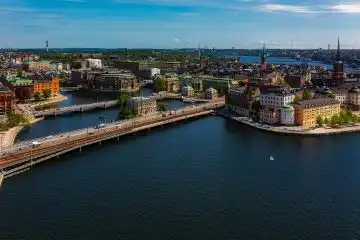
Nestled on the edge of the Pacific Ocean, Lima is where Peruvian tradition meets contemporary culinary innovation. For those who crave both culture and cuisine, Lima Peru culinary capital is the ultimate destination. This sprawling metropolis is not only the capital of Peru- but it's also a thriving epicenter of Latin American cuisine. Food lovers travel across the globe to taste Lima's unique dishes. That are influenced by Indigenous roots, colonial past, and global flavors. But beyond food, the city dazzles with sea views, historical architecture, and a passion for storytelling through taste.
1. A Melting Pot of Culinary Cultures
What makes Lima's cuisine so exceptional is the multicultural blend that infuses every plate. Centuries of migration from Europe, Asia, and Africa have enriched Peru's already diverse Indigenous culinary base. Spanish colonizers brought olives, wheat, and citrus; Chinese immigrants introduced stir-fry techniques, now essential in chifa cuisine; and Japanese traditions birthed Nikkei style. Enjoy the moder life experience in Havana with us. Lima doesn't just cook-it collaborates across time and continents. This rich tapestry of influences is one reason it's considered a culinary capital unlike any other.
2. The Power of Peru's Natural Pantry
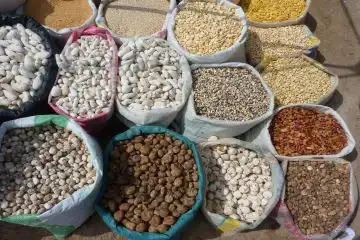
Peru's remarkable geography-spanning coast, highlands, and jungle-provides an unrivaled bounty of ingredients. Lima's chefs have access to ingredients from all three regions. That is leading to dishes that are seasonal, vibrant, and deeply flavorful. From ají amarillo (yellow chili pepper) to quinoa, Amazonian fish, and Andean tubers, every bite is a celebration of Peru's ecological wealth. This natural pantry further empowers Lima's food scene to innovate while staying rooted in tradition.
3. The World's Eyes on Lima: Global Recognition
In recent years, Lima has gained recognition on the global stage. Culinary rankings have frequently highlighted its vibrant and innovative food scene. Local chefs are known for exploring Peru's diverse ecosystems through elegant, story-driven dishes. These establishments are not only about fine dining-but they also are culinary experiences. That reflect the country's biodiversity and creativity, solidifying Lima's place on the international food map.
4. Ceviche: Lima's Fresh, Zesty Legacy
If Lima had a national treasure on a plate, it would be ceviche. This signature dish is a masterclass in balance-acid, spice, sweetness, and freshness. The fish, often seabass or sole, is “cooked” in freshly squeezed lime juice. After that, it is paired with onions, chili, cilantro, and garnishes like sweet potato and toasted corn. Lima's coastal location ensures the freshest seafood, and each chef adds their personal twist, making ceviche tasting an adventure in itself. It's no surprise this dish is a cornerstone of Lima Peru culinary capital acclaim.
5. Unmissable Market Adventures in Surquillo and Beyond
Beyond elegant dining rooms, the soul of Lima Peru culinary capital lives in its bustling markets. Traditional markets are a treasure trove of local flavor. Stalls overflow with passionfruit, purple corn, and countless potato varieties. Here, vendors greet you like family and further offer samples with pride. The smells of grilled anticuchos (marinated beef heart skewers) and sizzling tamales fill the air. It's an immersive way to further explore Peru's food culture-and it's incredibly affordable.
For a deeper dive in Lima Peru culinary capital explore other urban markets. That further offer organic produce, Amazonian fish, and handmade condiments. These markets aren't just places to shop-they're vibrant hubs of community life.
6. Nikkei: When Japan Meets Peru on a Plate
However, Nikkei cuisine is one of Lima's most celebrated innovations. Born from Japanese immigrants adapting to Peruvian ingredients, it emphasizes simplicity, purity, and exquisite balance. Expect to find sushi rolls made with rocoto chili or sashimi with Peruvian citrus. Dishes for example tiradito, a cousin of ceviche, slice fish sashimi-style and bathe it in bold sauces like leche de tigre. Whether in fine kitchens or casual eateries, Nikkei cuisine is a flavorful symbol of cross-cultural fusion.
7. Pisco and the Art of Coastal Cocktails
No journey in Lima Peru culinary capital is complete without a taste of pisco, Peru's signature grape brandy. However, the classic Pisco Sour remains a national favorite. But, bartenders across the city experiment with fruit infusions and local herbs for a modern twist.
Along the cliffs and coastlines, You will find scenic spots serving cocktails. That meanwhile reflect the flavors of the Andes and Amazon. Whether sipping a chilled Chilcano or sampling local pisco varieties, this drink deepens your connection to Peru's heritage.
8. Colonial Elegance Enhancing Culinary Experiences
Lima's historical heart is an architectural gem. Cobblestone streets, ornate balconies, and grand churches transport you back to the Spanish colonial era. Many of the city's most elegant dining experiences are housed in beautifully restored colonial mansions. Above all, dining in these settings adds historical depth to your meal. It's not only about the food; but it's also about stepping into the past while enjoying flavors of the present.
9. Cliffside Dining with Pacific Vistas
One of Lima's greatest pleasures is firstly dining with a view. The Malecón, a clifftop promenade stretching through coastal neighborhoods, offers unbeatable vistas of the Pacific Ocean. Seafood restaurants and casual cafés alike line this route, offering fresh catch of the day with sunset panoramas. In artistic districts, bohemian charm meets sea breeze, where eateries often overlook the waves. Few cities further offer such seamless fusion of fine cuisine and scenic wonder.
10. Lima's Vibrant Street Food Scene
Lima's food scene doesn't end in restaurants-it thrives on the streets. As night falls, sidewalks come alive with sizzling grills and the aroma of spices. Try anticuchos with a side of papas a la huancaína, or grab a butifarra (pork sandwich with onion relish) from a street cart. Locals also swear by emoliente, a warm herbal drink sold by street vendors. Street food in Lima isn't just a quick bite-it's a cultural ritual that connects communities through flavor.
11. Food Festivals That Celebrate Peru's Rich Heritage
Each year, Lima hosts culinary events that showcase its gastronomic excellence. Large food festivals feature vendors from all over the country. That firstly offer specialties from the Andes, coast, and Amazon. The events spotlight traditional cooking methods, heirloom ingredients, and the stories of local farmers and chefs. These festivals are vibrant, immersive, and inclusive. That further makes them perfect for visitors eager to dive deep into Peruvian cuisine and culture.
12. Culinary Classes and Guided Tastings
Want to bring a piece of Lima home with you? Take a cooking class led by local chefs. There, you'll learn to make classics for example ají de gallina or papa a la huancaína. Many programs include guided market tours and hands-on cooking experiences in intimate settings. For pisco lovers, guided tastings introduce you to the drink's various regional expressions and preparation styles. These experiences meanwhile offer cultural insight-and a few delicious souvenirs.
Conclusion: Why Every Traveler Should Experience Lima's Flavors
In Lima, food is more than nourishment-it's identity, history, and pride. From the bold flavors of market stalls to the artistry of contemporary cuisine, every meal tells a story of Peru's cultural crossroads. Combined with stunning ocean views and centuries-old architecture, Lima Peru culinary capital offers a full-sensory journey. That further delights at every turn. It's a city where every bite is layered with meaning. Here, food is the language that meanwhile connects people across generations. So whether you come for the ceviche, the pisco, or the view, Lima will feed your soul. That make you planning your return before dessert is even over.